
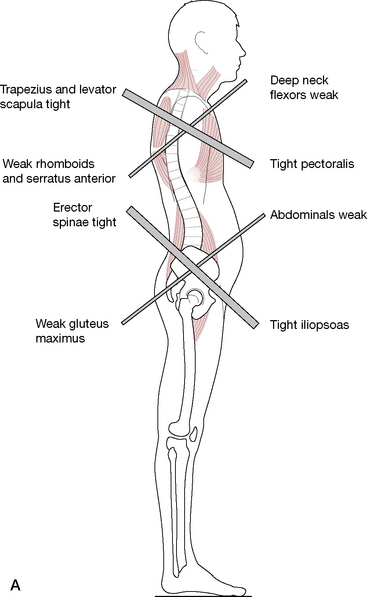
Muscle imbalances syndrome refers to a condition where certain muscles in the body are overdeveloped or overused in comparison to others. This can lead to a variety of issues, such as pain, injury, and decreased performance. Many traditional workouts and sports can contribute to the development of muscle imbalances, as they often involve repetitive motions that can lead to overuse of certain muscles while neglecting others.
One example of a traditional workout that can lead to muscle imbalances is weightlifting. Many weightlifting routines focus on specific muscle groups, such as the chest, biceps, and abs, while neglecting others, such as the back and legs. This can lead to overdevelopment of the chest and biceps, while the back and legs become weaker in comparison.
Another example of a sport that can lead to muscle imbalances is running. Running primarily works the muscles in the lower body, such as the quads and calves, while neglecting the upper body and core muscles. This can lead to overuse injuries in the lower body, such as shin splints or runner's knee, while neglecting the upper body and core muscles.
Yoga is a form of exercise that can help to alleviate muscle imbalances by providing a balanced workout for the entire body. Yoga poses, or asanas, work to strengthen and stretch all of the major muscle groups, including the legs, back, chest, arms, and core. Yoga also emphasizes proper alignment and balance in the body, which helps to prevent overuse injuries.
Additionally, yoga also helps to improve flexibility, which is important in maintaining the balance between muscle and preventing injury in muscle. The practice of yoga also incorporates breath work and mindfulness which improves body awareness and can help practitioners to identify and address muscle imbalances.
It is important to be mindful of the imbalances and find ways to address them by performing a variety of exercises and sports, as well as balance and yoga. Maintaining a balanced workout routine is essential for preventing muscle imbalances and avoiding injury.